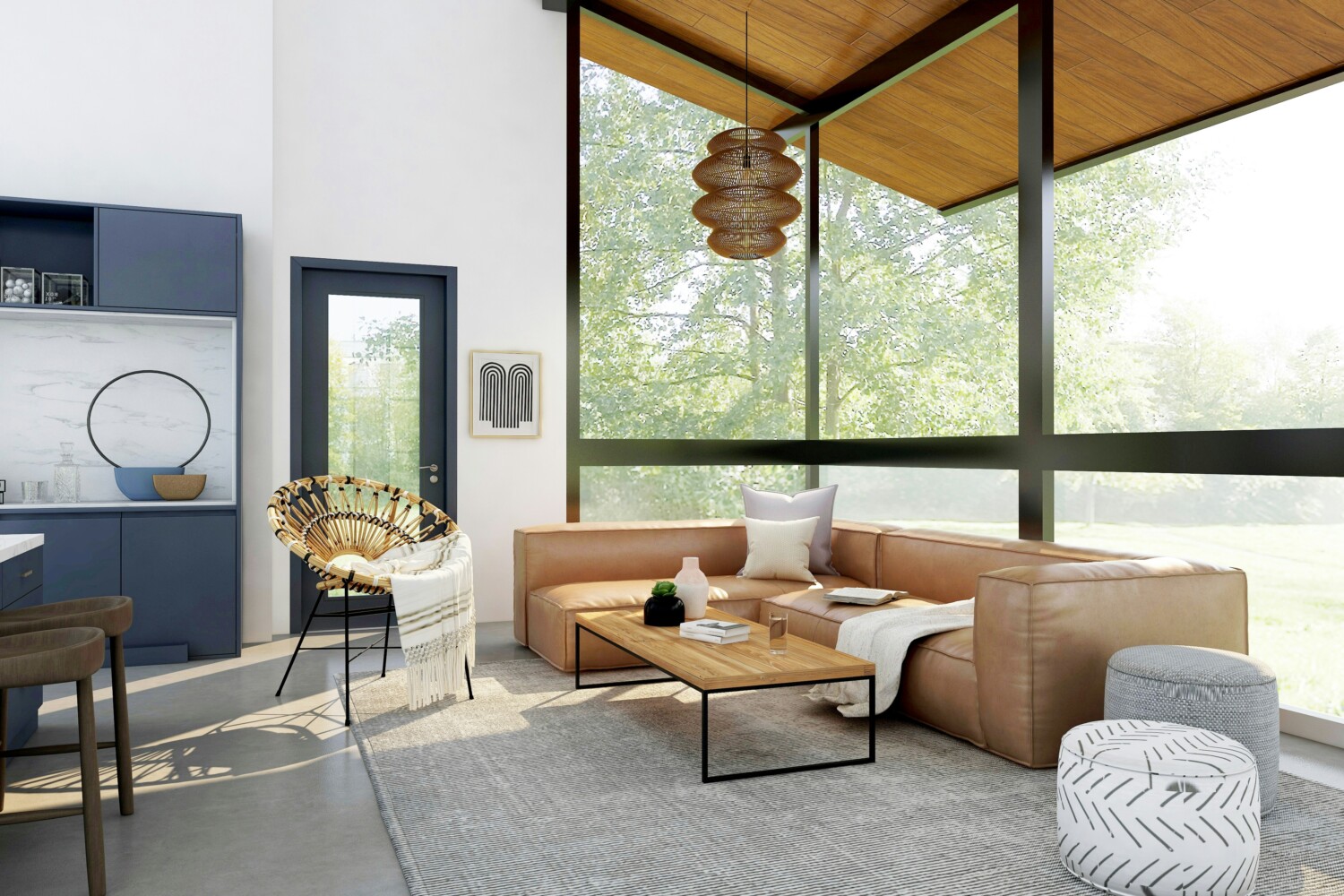
Open plan living is one of the most desirable features in modern homes but it can also be one of the trickiest to design. Without walls to divide the space, it’s easy for everything to feel either chaotic or empty. Maybe you’ve pushed all the furniture around the edges, or your dining table feels stranded in the middle of nowhere.
The secret to making open plan spaces work is simple: intentional zoning and clever furniture placement.
You don’t need more space you just need a smarter plan.
In this guide, I’ll walk you through practical, realistic furniture layout ideas for open plan spaces so your home feels balanced, functional and beautifully connected.
Start by Defining Your Zones
Before you move any furniture, decide what needs to happen in this space.
Typical zones include:
-
Living/relaxing
-
Dining
-
Cooking
-
Working
-
Play area
-
Reading corner
You don’t need six different zones, but knowing what’s essential helps you design the space instead of letting it sprawl.

Use Furniture to Create Boundaries
You don’t need walls, your furniture does the work.
-
A sofa placed across a room can act like a divider.
-
A console table behind a sofa defines the transition from dining to relaxing.
-
A rug instantly anchors a zone (more on this later).
Tip: Don’t push everything to the edges. Floating furniture will make your space feel more intentional.
Anchor Each Zone With a Rug
Rugs are one of the most effective tools for zoning open plan areas. They visually “contain” furniture and create definition.
-
Use a large rug in the living area so the sofa, chairs and coffee table sit comfortably on top.
-
Choose a smaller rug under the dining table to frame the space.
-
Stick to a simple palette so the space feels connected rather than busy.
Rule: Bigger is always better, a too-small rug will make the room feel disjointed.

Create a Natural Flow Through the Space
Open plan spaces work best when circulation feels easy and intuitive. Think about how you move from:
-
kitchen → dining
-
dining → living
-
living → garden or hallway
Avoid placing large pieces like sofas or storage units where they block pathways.
Keep Walkways Clear
Aim for at least 70-90cm of circulation space where people walk frequently. If you’re unsure, map it out with masking tape before moving the heavy furniture.
Balance Your Furniture Placement
Open plan rooms can feel lopsided if all the big pieces sit on one side.
Try to visually balance each zone by mixing heights and shapes.
-
If you have a large corner sofa on one side, add taller furniture (like shelves or a floor lamp) in another corner.
-
Pair a dining table with artwork or a statement light overhead to give it weight.
Designer tip: Mix soft pieces (sofas, pouffes, rugs) with structured ones (tables, cabinets) to keep things grounded.

Use Lighting to Reinforce Each Zone
Lighting is key in large spaces.
Use different types of lights to strengthen your zones:
-
Pendant lights over the dining table
-
Floor lamps in the living area
-
Under-cabinet lighting in the kitchen
-
Ambient wall lights to soften the whole room
This creates depth and makes each part of the space feel purposeful.
Make the Most of Corners and Edges
While you shouldn’t push all furniture against the walls, corners can still serve as cosy, functional spaces.
Corner Ideas
-
A reading nook with a chair and lamp
-
A slimline desk for working from home
-
Extra storage without interrupting the flow
Corners are often underused, turning them into intentional zones helps the whole layout feel more complete.
Keep Your Colour Palette Cohesive
A consistent palette helps open plan spaces feel connected instead of chaotic.
-
Use similar tones across living, dining and kitchen areas.
-
Add accent colours that repeat across the room (e.g., navy cushions in the living room + navy dining chairs).
-
Use the same metal finishes for cohesion (e.g., black handles + black pendant lights).
Rule: 3–4 key colours across the whole space, no more.
Common Mistakes to Avoid
-
Letting furniture “float” without a clear zone.
-
Sofas pushed against walls, making the middle feel empty.
-
A dining table that blocks the flow between kitchen and living area.
-
Rugs that are too small (the biggest giveaway of an unplanned space).
-
Mixing too many colours or styles without a common thread.
Conclusion
Open plan spaces don’t design themselves, but with zoning, balance, and a cohesive palette, you can transform a big empty room into a beautifully blended living, dining, and kitchen space.
If you’re feeling stuck with your layout or want help creating a floor plan that works for your lifestyle, I can help.
Book a free initial consultation to talk to me about creating a home that feels as beautiful as it looks.