When you first move into a new home, start an extension, or finally tackle that renovation you’ve been putting off, the blank canvas of an empty room can feel… a little terrifying. Where should the sofa go? Will the dining table fit? How do you stop the space from feeling cluttered?
If you’ve ever stood in the middle of a room spinning in circles, tape measure in hand, you’re not alone. Planning a room layout can feel overwhelming, but it doesn’t need to. With a few simple steps, you can create a layout that feels functional, comfortable, and totally “you.”
Here’s my step-by-step guide to how to plan a room layout without getting lost in the details.
Start With Your Lifestyle
Before you dive into Pinterest or furniture sites, stop and think about how you’ll actually use the space. Your lifestyle should drive the layout, not the other way around.
 Ask yourself:
-
Is this room mainly for relaxing, entertaining, or family life?
-
Do you need space for toys, a home office desk, or a big dining table?
-
Do you love hosting friends or is it more about cosy nights in?
By clarifying what the room needs to do for you, you’ll make much smarter decisions about the layout. For example, a young family might prioritise open floor space for kids to play, while a couple may want a snug living room with a fireplace as the main focus.
Measure and Map the Space
This step may feel boring, but it’s the secret to avoiding costly mistakes. Grab a tape measure and jot down the dimensions of the room, including windows, doors, radiators, and awkward nooks.
Once you’ve got your measurements, draw a simple floor plan on paper (graph paper works well) or use a free online room planner. Even just sketching it out gives you a better sense of what will actually fit.
Quick tip: Always check circulation space — you need around 75–90 cm to walk comfortably between furniture. That corner sofa might just about fit, but if it blocks the door or feels cramped, it’s the wrong choice.
Define the Focal Points

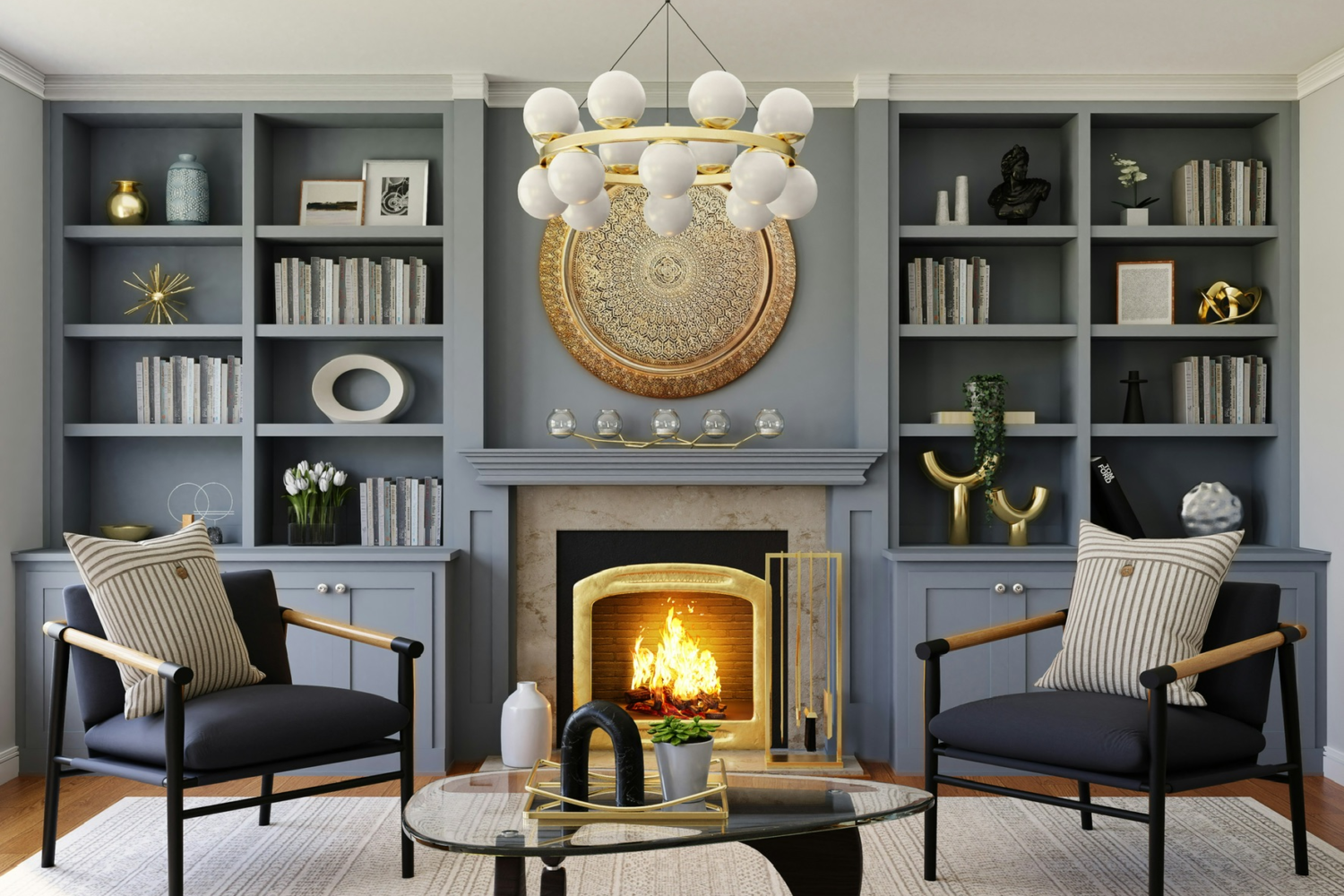
Every room has a natural “anchor” that helps guide the layout. It could be a fireplace, a big window, or even the TV. By deciding what the focal point is, you’ll know where to position your main furniture pieces.
-
Living room: arrange seating around the fireplace or TV wall.
-
Bedroom: make the bed the hero, with bedside tables balanced on each side.
-
Kitchen diner: centre the table or island to define the space.
If you try to ignore the focal point, the room can feel off-balance. Work with what’s already there, not against it.
Test Furniture Layouts Before Buying
his is where people often go wrong — they buy furniture first and then try to squeeze it in. Instead, play around with layouts before you commit.
A few easy ways to test layouts:
-
Cut paper templates of your furniture to scale and move them around on your floor plan.
-
Use masking tape on the floor to map out the footprint of a sofa, bed, or table.
-
Try free apps or tools to drop furniture into your floor plan digitally.
It might feel a bit fiddly, but testing layouts like this will save you time, money, and stress.
Think About Flow and Zones
 Especially in open-plan spaces, flow is everything. You want clear pathways through the room, so people aren’t constantly bumping into furniture.
Think of your room in “zones”:
-
A cosy corner for relaxing.
-
A dining area for meals and entertaining.
-
A workspace tucked into a quiet spot.
Even in small rooms, you can create zones with rugs, lighting, or furniture placement. Zoning makes a space feel intentional and helps keep it organised.
Add Comfort and Personality
Layout isn’t just about where the big pieces go. Once the essentials are in place, layer in the smaller details that make a space feel inviting.
-
Side tables within reach of the sofa.
-
Floor lamps in darker corners.
-
Rugs to soften and define spaces.
-
Artwork or mirrors to add character and reflect light.
These finishing touches bring warmth and personality to the layout and stop it feeling too “cookie cutter.”
Common Mistakes to Avoid
 Even with the best intentions, here are a few pitfalls I see over and over again:
-
Buying oversized furniture: It might look amazing in the showroom, but if it overwhelms your space, you’ll regret it.
-
Pushing everything against the walls: Floating furniture can actually make a room feel bigger and more sociable.
-
Forgetting lighting and sockets: Plan where lamps will go and make sure you’ve got plugs nearby.
Avoid these and you’re already ahead of the game.
Final Thoughts
Planning a room layout doesn’t have to be overwhelming. If you take it step by step — starting with your lifestyle, measuring properly, defining focal points, and testing layouts — you’ll end up with a room that feels functional, stylish, and perfectly suited to you.
But if you’re still staring at your space feeling stuck, you don’t have to figure it out alone. That’s exactly what I help with — practical, affordable layout advice for real homes.
Need a second pair of eyes on your layout? Message me or book a free initial consultation today and let’s chat about how I can help you make your home work beautifully for you.